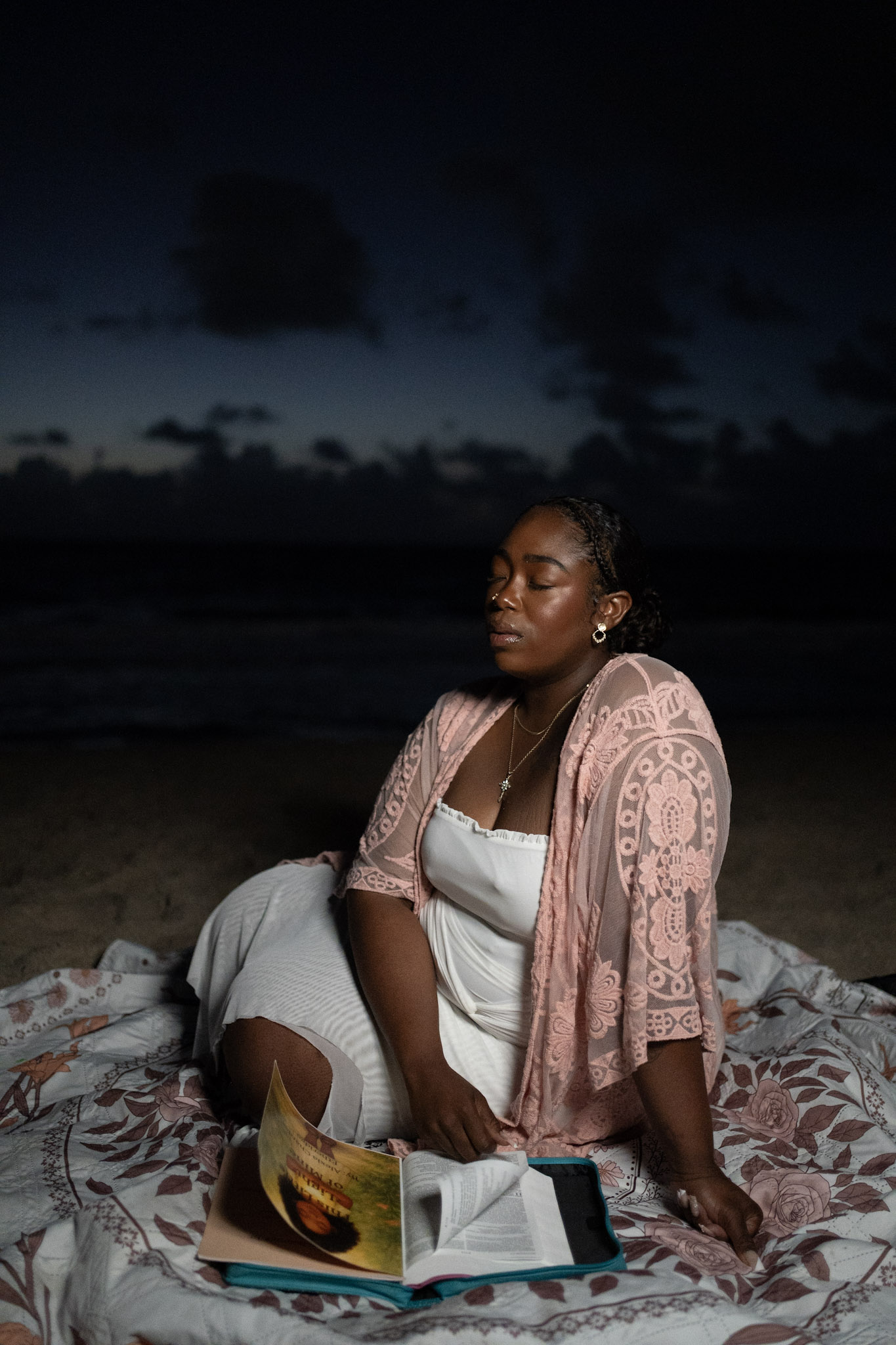
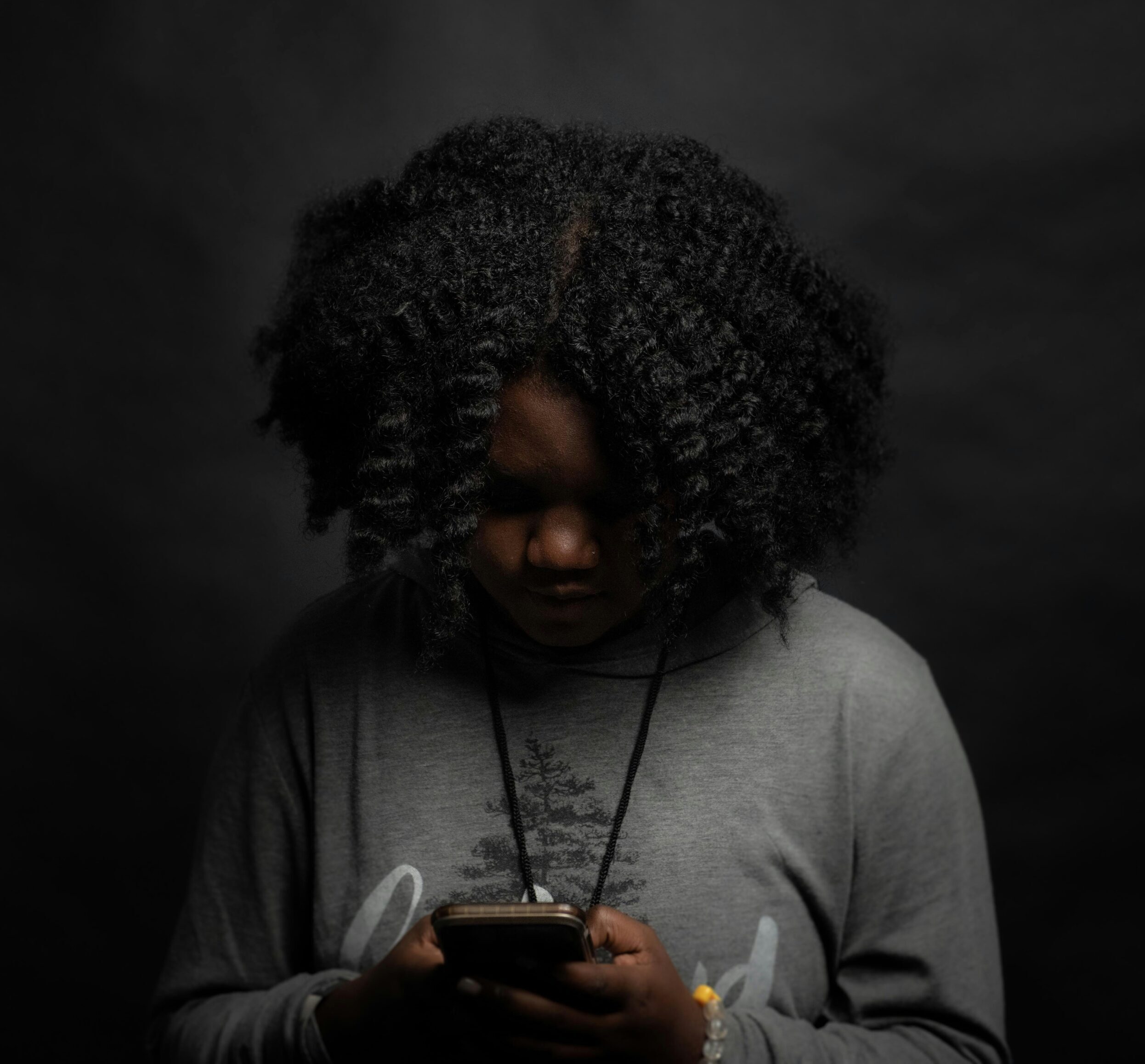
Alexia still remembers the feeling of not being believed.
At 16, pregnant for the first time, she turned to her pediatrician for help and says she was given medication that ended her pregnancy. Years later, during another pregnancy in Texas, while her military spouse was overseas, she repeatedly sought care after feeling what she believed was fetal movement. Providers told her there was “no fetal life detected,” even as she insisted she knew her body.
Then came the hospital visit that changed everything.
Alexia says she was restrained in an ambulance and later subjected to a painful medical procedure without warning or consent. “That was the most traumatic thing I’ve ever experienced in my entire life,” she recalled. Feeling unsafe and unheard, she signed papers refusing further treatment and left Texas the next day.
Years later in Florida, by God’s mercy and grace, Alexia found a different kind of care through a Black midwife who listened to her, respected her boundaries, and helped her rebuild trust in pregnancy and birth. She eventually delivered both of her daughters at home in experiences she describes as peaceful and empowering.
Today, Alexia believes quality maternal healthcare begins with one simple act: listening to mothers.
Stand with Southern Birth Justice Network as we continue to demand dignity, equity, and safety for all birthing people by joining the Florida Statewide Birth Justice Coalition. Help us amplify the Birth Justice Bill of Rights—a powerful declaration affirming every person’s right to respectful, culturally affirming, and empowering care. Be sure to explore and share the Maternal Health Guide, a critical tool created to educate, inform, and protect our communities.
Together, we can build a future where all births are just and all families thrive.