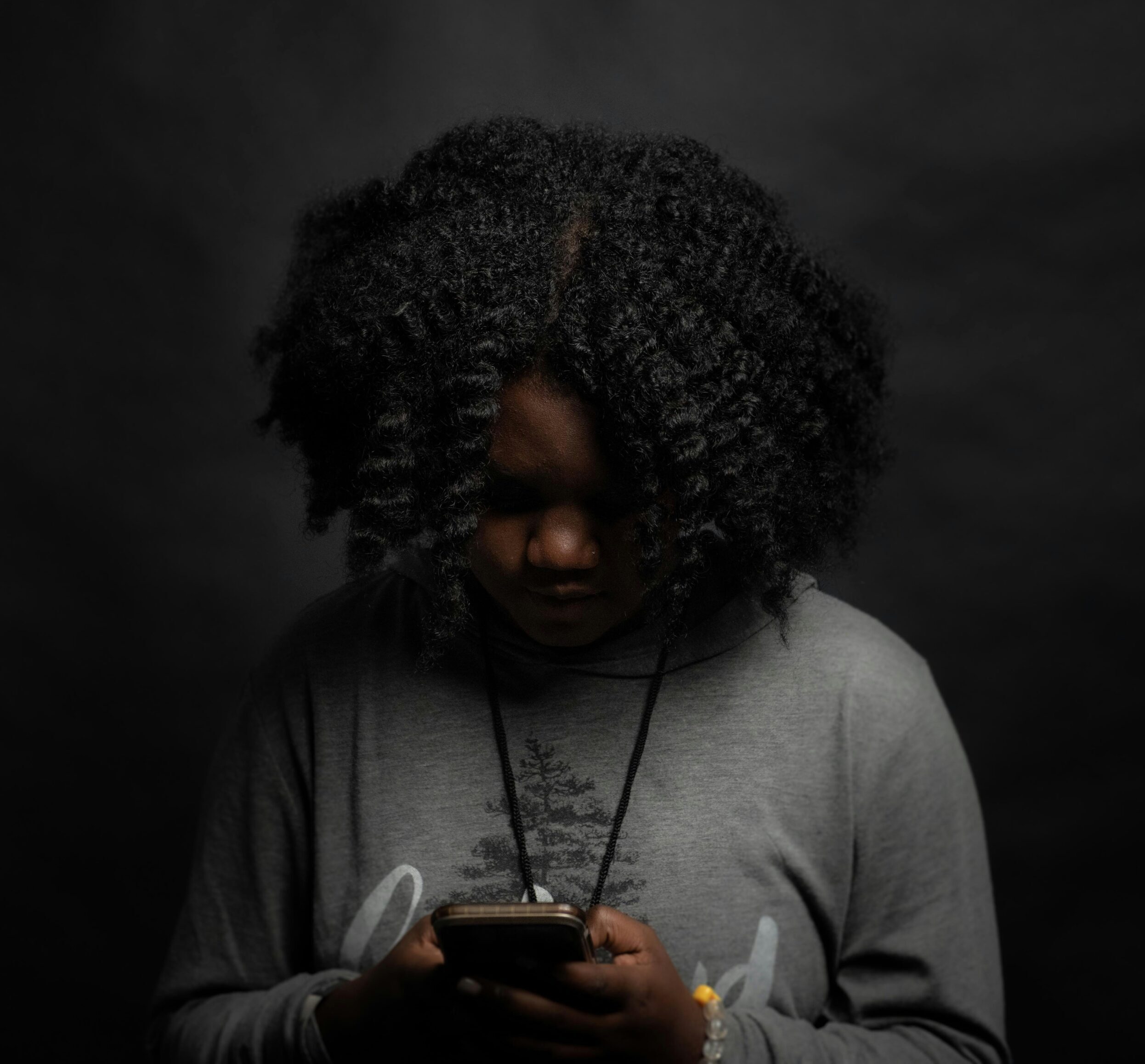


Brooklyn has given birth to three boys, each naturally and by choice. For her, childbirth has always been rooted in trust—trust in her body, her instincts, and the environment surrounding one of life’s most intimate moments.
Her first two births took place at home. “I was comfortable. I was in my own space,” she said. Free from judgment and pressure, labor unfolded on its own terms. “The baby came when the baby wanted to come.”
Her third birth, however, looked very different. After relocating from Columbus to Miami, Brooklyn found herself without a clear birthing plan or a local support system. Feeling overwhelmed and unprepared for another home birth, she chose to deliver in a hospital. “That uncertainty was the most frightening part,” she said. “I didn’t feel settled in my decision.”
The hospital experience brought a noticeable shift. Labor was no longer guided solely by her body’s natural rhythm, but by schedules and protocols. “I had to adjust to their time,” she said. Still, Brooklyn is careful to say she did not experience racism or mistreatment. She felt the staff ensured her safety and her baby’s well-being, particularly after the birth.
The most distressing part came after her son was born. Hospital staff kept her newborn for observation and treatment with antibiotics for a possible infection. “Leaving my baby there without me was very upsetting,” she said. “In my eyes, he was completely healthy. Not fully understanding what was happening to him was very unsettling.” That separation remains her only regret about giving birth in the hospital.
What anchored her through the experience was the care she received outside the hospital structure. Her midwife and doula, she said, provided consistent support, clear communication, and reassurance. “The care from my doula was phenomenal,” Brooklyn said. “She put my mind at ease and made sure I was connected to resources afterward.” She and her husband both felt fully supported.
When asked how she defines quality care, Brooklyn offers a measured response. Protocols matter, she says—but so does being heard and trusted.
Her advice to other mothers is simple and deeply personal: “Trust your body. Your body won’t deceive you. If you feel something, it’s most likely right. Be in tune with that—and don’t let anyone tell you otherwise.”
Stand with Southern Birth Justice Network as we continue to demand dignity, equity, and safety for all birthing people by joining the Florida Statewide Birth Justice Coalition. Help us amplify the Birth Justice Bill of Rights—a powerful declaration affirming every person’s right to respectful, culturally affirming, and empowering care. Be sure to explore and share the Maternal Health Guide, a critical tool created to educate, inform, and protect our communities.
Together, we can build a future where all births are just and all families thrive.
Brooklyn has given birth to three boys, each naturally and by choice. For her, childbirth has always been rooted in trust—trust in her body, her instincts, and the environment surrounding one of life’s most intimate moments.
Her first two births took place at home. “I was comfortable. I was in my own space,” she said. Free from judgment and pressure, labor unfolded on its own terms. “The baby came when the baby wanted to come.”
Her third birth, however, looked very different. After relocating from Columbus to Miami, Brooklyn found herself without a clear birthing plan or a local support system. Feeling overwhelmed and unprepared for another home birth, she chose to deliver in a hospital. “That uncertainty was the most frightening part,” she said. “I didn’t feel settled in my decision.”
The hospital experience brought a noticeable shift. Labor was no longer guided solely by her body’s natural rhythm, but by schedules and protocols. “I had to adjust to their time,” she said. Still, Brooklyn is careful to say she did not experience racism or mistreatment. She felt the staff ensured her safety and her baby’s well-being, particularly after the birth.
The most distressing part came after her son was born. Hospital staff kept her newborn for observation and treatment with antibiotics for a possible infection. “Leaving my baby there without me was very upsetting,” she said. “In my eyes, he was completely healthy. Not fully understanding what was happening to him was very unsettling.” That separation remains her only regret about giving birth in the hospital.
What anchored her through the experience was the care she received outside the hospital structure. Her midwife and doula, she said, provided consistent support, clear communication, and reassurance. “The care from my doula was phenomenal,” Brooklyn said. “She put my mind at ease and made sure I was connected to resources afterward.” She and her husband both felt fully supported.
When asked how she defines quality care, Brooklyn offers a measured response. Protocols matter, she says—but so does being heard and trusted.
Her advice to other mothers is simple and deeply personal: “Trust your body. Your body won’t deceive you. If you feel something, it’s most likely right. Be in tune with that—and don’t let anyone tell you otherwise.”
Stand with Southern Birth Justice Network as we continue to demand dignity, equity, and safety for all birthing people by joining the Florida Statewide Birth Justice Coalition. Help us amplify the Birth Justice Bill of Rights—a powerful declaration affirming every person’s right to respectful, culturally affirming, and empowering care. Be sure to explore and share the Maternal Health Guide, a critical tool created to educate, inform, and protect our communities.
Together, we can build a future where all births are just and all families thrive.